
Understanding Pressure Ulcers: Prevention, Treatment & Solutions

QUICK ANSWER:
Pressure ulcers (also known as bedsores, pressure sores or decubitus ulcers) are skin injuries caused by prolonged pressure, friction or shear. It is most commonly over bony areas such as heels, hips, tailbone and shoulders. They are classified into 4 stages — from reddened unbroken skin (Stage 1) to deep wounds exposing muscle or bone (Stage 4). Frequent repositioning (every 2 hours if bedridden), daily skin inspection, adequate nutrition, and pressure-relieving sleep surfaces are key preventive measures. The Treat-Eezi Mattress Overlay is a non-powered alternative to air pressure mattresses, trusted by over 10,000 medical professionals since 2016 and evaluated on Stage 3 and 4 wounds by the NHS.
In this guide:
- What are pressure ulcers?
- Stages of pressure ulcers
- Who is most at risk?
- How to prevent pressure ulcers?
- Pressure-relieving mattresses: Air vs Non-powered
- Treat-Eezi Mattress Overlay: A smart alternative to air mattress
- Frequently asked questions
1. What Are Pressure Ulcers?
Pressure ulcers are injuries to the skin and underlying tissue caused by three physical mechanisms.
| Sustained pressure | Prolonged compression cuts off blood supply to tissue - the primary cause of pressure ulcers in bedridden patients. |
| Friction | Skin rubbing against a surface (sheets, clothing) and damages the outer skin layer, making it more vulnerable to breakdown. |
| Shear | Two layers of tissue moving in opposite directions. It is common when a patient slides down in bed - damages blood vessels and tissue. |
Sustained pressure
Prolonged compression cuts off blood supply to tissue — the primary cause of pressure ulcers in bedridden patients.
Friction
Skin rubbing against a surface (sheets, clothing) damages the outer skin layer, making it more vulnerable to breakdown.
Shear
Two layers of tissue moving in opposite directions. Common when a patient slides down in bed — damages blood vessels and tissue.
They most commonly develop over bony areas with little natural padding: heels, hips, tailbone, elbows, ankles and shoulder blades. In Singapore's warm and humid climate, moisture from perspiration can accelerate skin breakdown, making skin management particularly important.
2. Stages of Pressure Ulcers
| Stage | Description | Key Signs | Typical Management |
|---|---|---|---|
| Stage 1 | Intact skin, non-blanchable redness | Red area that does not turn white when pressed | Relieve pressure immediately; increase repositioning frequency |
| Stage 2 | Partial thickness skin loss | Open blister or shallow wound; pink/red wound bed | Wound dressing; offload pressure; review nutrition |
| Stage 3 | Full thickness skin loss | Crater-like wound; fat may be visible; no bone/muscle | Advanced wound care; pressure-relieving mattress; dietitian review |
| Stage 4 | Full thickness tissue loss | Bone, tendon, or muscle exposed; risk of infection | Specialist wound care; possible surgical debridement; hospitalisation |
S1
Key signsRed area that does not turn white when pressed
ManagementRelieve pressure immediately; increase repositioning frequency
S2
Key signsOpen blister or shallow wound; pink/red wound bed
ManagementWound dressing; offload pressure; review nutrition
S3
Key signsCrater-like wound; fat may be visible; no bone/muscle exposed
ManagementAdvanced wound care; pressure-relieving mattress; dietitian review
S4
Key signsBone, tendon, or muscle exposed; risk of infection
ManagementSpecialist wound care; possible surgical debridement; hospitalisation
Early detection is critical. A Stage 1 pressure ulcer can progress to Stage 3 within 24–48 hours if pressure is not relieved. Inspect skin daily — particularly heels, tailbone, hips, and shoulder blades — for any redness that does not fade within 30 minutes of repositioning.
3. Who is Most At Risk?
| Limited mobility or paralysis | Unable to reposition independently — prolonged pressure on the same area is the primary mechanism |
| Bedridden or wheelchair-bound | Constant pressure on the same bony prominences without natural movement to relieve it |
| Older adults with fragile skin | Ageing reduces skin thickness, elasticity, and the ability to withstand and recover from pressure |
| Diabetes | Reduces peripheral circulation and nerve sensation — tissue damage can occur without the patient feeling discomfort |
| Incontinence | Moisture and chemical irritants in urine and faeces accelerate skin breakdown significantly |
| Poor nutrition or dehydration | Protein deficiency impairs tissue repair; dehydration reduces skin elasticity and resilience |
| Post-surgical or long-term care | Extended bed rest, anaesthetic effects, and reduced mobility following surgery all elevate risk |
Limited mobility or paralysis
Unable to reposition independently — prolonged pressure on the same area is the primary mechanism.
Bedridden or wheelchair-bound
Constant pressure on the same bony prominences without natural movement to relieve it.
Older adults with fragile skin
Ageing reduces skin thickness, elasticity, and the ability to withstand and recover from pressure.
Diabetes
Reduces peripheral circulation and nerve sensation — tissue damage can occur without the patient feeling discomfort.
Incontinence
Moisture and chemical irritants in urine and faeces accelerate skin breakdown significantly.
Poor nutrition or dehydration
Protein deficiency impairs tissue repair; dehydration reduces skin elasticity and resilience.
Post-surgical or long-term care
Extended bed rest, anaesthetic effects, and reduced mobility following surgery all elevate risk.
4. How to Prevent Pressure Ulcers
Prevention focuses on reducing pressure, maintaining skin health, and improving circulation.
- Reposition every 2 hours for bedridden patients (every 15–30 minutes for wheelchair users)
- Daily skin inspection — check all bony prominences at every clothing change
- Protein intake of 1.2–1.5g/kg body weight per day for skin integrity and wound healing
- Maintain hydration — aim for 1.5–2 litres fluid per day unless medically restricted
- Moisture management — use barrier creams; keep skin clean and dry after incontinence episodes
- Use a pressure-relieving surface for high-risk patients
- Heel protection — use heel-off-loading devices or foam wedges to keep heels suspended
5. Pressure-Relieving Mattresses: Air vs Non-Powered
| Feature | Alternating Air Pressure Mattress | Treat-Eezi Non-Powered Overlay |
|---|---|---|
| Noise | Audible pump cycle — can disturb sleep | Silent |
| Power Dependency | Requires continuous electricity | No power required |
| Maintenance | Pump, tubing and cells require regular maintenance; cells can fail | No maintenance needed; does not degrade like air cells |
| Comfort | Constant inflation/deflation cycle may be uncomfortable | Consistent, stable support that adapts to body contour |
| Portability | Heavy, requires pump unit | Lightweight, folds for transport |
| Setting | Hospital or clinical setting preferred | Suitable for home, aged care and clinical settings |
| Placement | Replaces mattress | Placed directly on top of existing mattress |
Noise
Air MattressAudible pump cycle — can disturb sleep
Treat-EeziSilent
Power dependency
Air MattressRequires continuous electricity
Treat-EeziNo power required
Maintenance
Air MattressPump, tubing and cells need regular upkeep; cells can fail
Treat-EeziNo maintenance needed; does not degrade like air cells
Comfort
Air MattressInflation/deflation cycle may be uncomfortable
Treat-EeziConsistent, stable support adapts to body contour
Portability
Air MattressHeavy, requires pump unit
Treat-EeziLightweight, folds for transport
Setting
Air MattressHospital or clinical setting preferred
Treat-EeziSuitable for home, aged care and clinical settings
Placement
Air MattressReplaces mattress
Treat-EeziPlaced on top of existing mattress
6. Treat-Eezi Mattress Overlay: A Smart Alternative to Air Pressure Mattresses
Treat-Eezi is a revolutionary solution designed for preventing and healing up to Stage 4 pressure sores.
Treat-Eezi combines state-of-the-art materials and construction methods to ensure optimal pressure redistribution. Its unique design includes supportive layers and breathable fabrics that adapt to the body's contours, providing consistent pressure relief and reducing the risk of tissue damage.
Benefits of the Treat-Eezi Mattress Overlay
- Helps prevent and manage pressure ulcers
- Provides consistent pressure redistribution
- Silent, lightweight, and easy to use
- No maintenance needed; does not spoil like air mattresses do
- Ideal for home care, aged care, and clinical settings
- Can be placed directly on top of an existing mattress
Unlike air mattresses, Treat-Eezi delivers continuous support without movement or noise — making it more comfortable for long-term use and better for sleep quality.

Clinical Trials, Data and Additional Information
Treat-Eezi Mattress Overlay has been trusted by over 10,000 medical professionals since 2016. Here is a selection of tests, data and additional information on Treat-Eezi.
- Clinical Report (Dr Steve Young)
- Supine Pressure Mapping Test Results
- Evaluation of Treat-Eezi on Stage 3 & 4 Wounds - NHS
- Ultrasound Analysis
- Testimony from Dept of Neurological Rehab (Poland)
- Air Permeability & Anti-Fungal Test
- Flammability Test Report
7. Frequently Asked Questions
What is the difference between a pressure ulcer, pressure sore, and bedsore?
Pressure ulcer, pressure sore, bedsore, and decubitus ulcer all refer to the same condition — localised injury to the skin and underlying tissue caused by prolonged pressure, friction or shear. 'Pressure ulcer' is the current preferred clinical term. 'Bedsore' is the most widely used lay term, though it is slightly misleading as pressure ulcers can also develop in wheelchair-bound patients who are not bedridden.
How quickly can a pressure ulcer develop?
A Stage 1 pressure ulcer — characterised by non-blanchable redness of intact skin — can develop within 1–2 hours of sustained pressure on a bony prominence. It can progress to Stage 3 (full thickness skin loss) within 24–48 hours if pressure is not relieved. This is why repositioning every 2 hours is the standard of care for bedridden patients in Singapore and internationally.
Is the Treat-Eezi Mattress Overlay suitable for home use in Singapore?
Yes. The Treat-Eezi Mattress Overlay is specifically designed for home, aged care, and clinical settings. It is placed directly on top of an existing mattress, requires no electricity or maintenance, and is lightweight enough to be repositioned easily. It is available at The Golden Concepts showroom at 3 Ubi Ave 3, Crocodile House, Singapore 408857, and online at thegoldenconcepts.com with free delivery on orders above S$150.
What is the difference between a pressure-relieving mattress and an air mattress?
An air pressure mattress uses an electric pump to alternate inflation and deflation of cells, actively redistributing pressure in cycles. A pressure-relieving overlay like Treat-Eezi uses material properties — foam layers, contouring, and breathable fabrics — to passively redistribute pressure without any power source. Air mattresses are more appropriate for very high-risk patients in clinical settings; non-powered overlays are practical and effective for moderate-risk home care patients.
How do I know if my elderly parent needs a pressure-relieving mattress?
A pressure-relieving mattress or overlay is recommended for any person who spends more than 6–8 hours per day in bed and cannot reposition themselves independently. Risk factors include limited mobility, fragile skin, incontinence, diabetes, or a previous pressure ulcer. In Singapore, caregivers can request a pressure ulcer risk assessment using tools such as the Braden Scale through their polyclinic or restructured hospital. The Golden Concepts team can advise on product selection — call +65 8657 1657 or visit our Ubi showroom.
Leave a comment
Comments will be approved before showing up.
Also in Eldercare Equipment
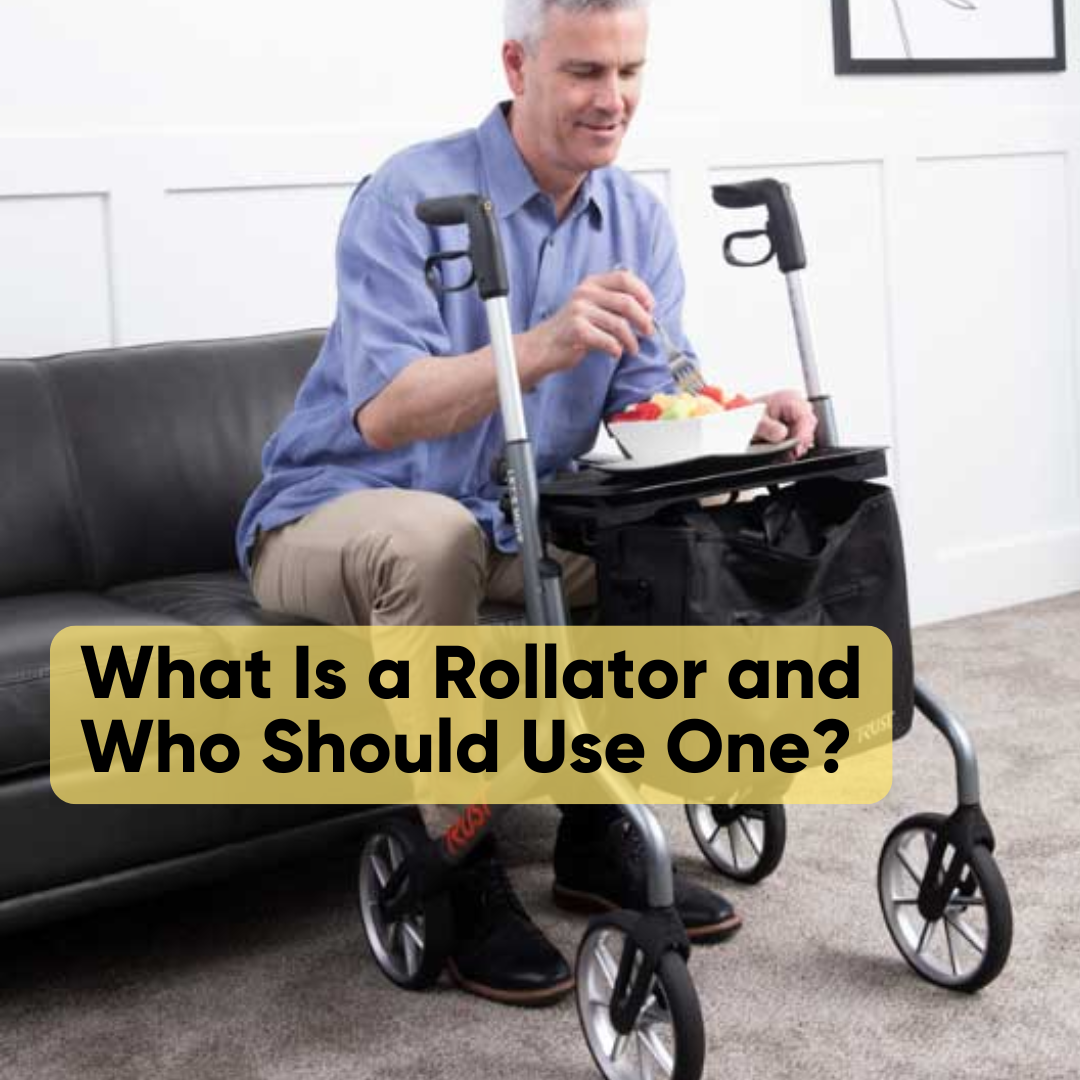

What Is a Rollator and Who Should Use One?
A rollator is a wheeled walking aid that offers comfort, safety, and independence for those needing light to moderate support. Discover its features, benefits, and tips for choosing the right model.
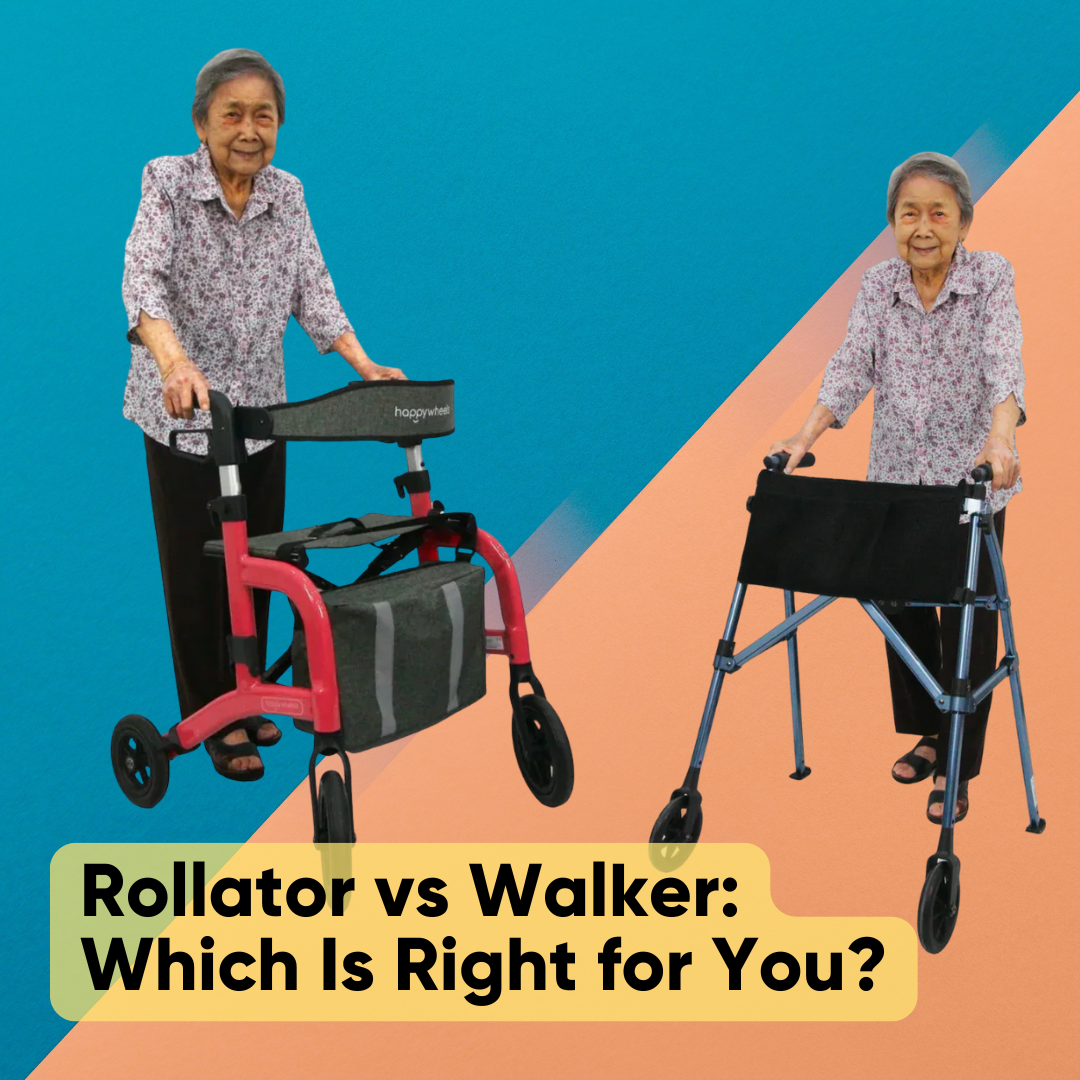

Rollator vs Walker: Which Is Right for You?
Walkers and rollators may look similar, but they serve different mobility needs. Learn the key differences, benefits, and how to choose the right aid to support your comfort, safety, and independence.
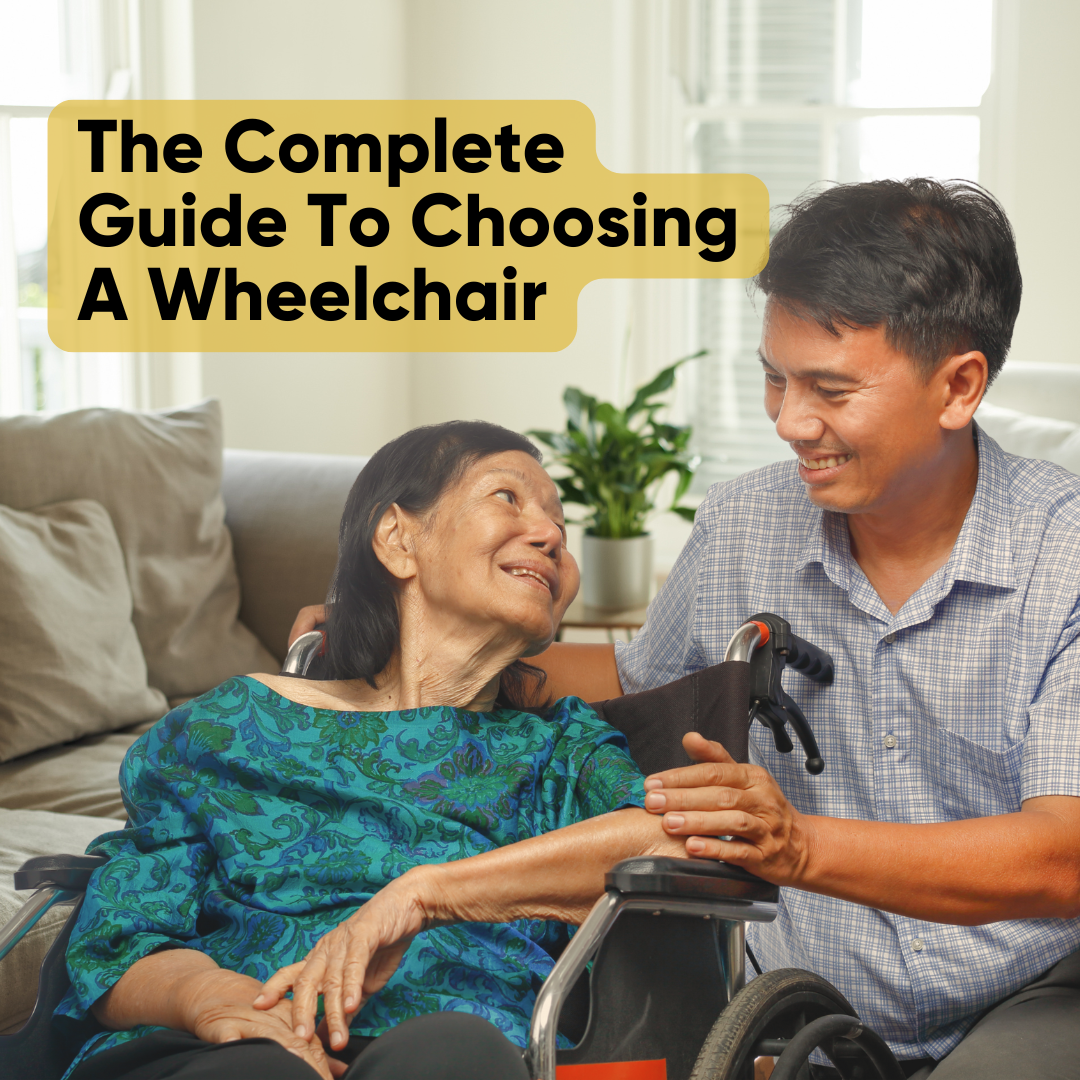

The Complete Guide To Choosing A Wheelchair
The Complete Guide To Choosing A Wheelchair — from types and benefits to choosing the right model for your needs. Make an informed choice for comfort and independence.
Read More